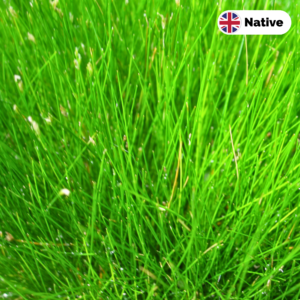
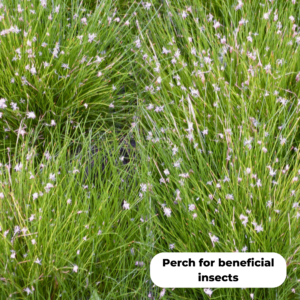
Needle spike-rush (Eleocharis acicularis)

Price range: £10.00 through £22.00
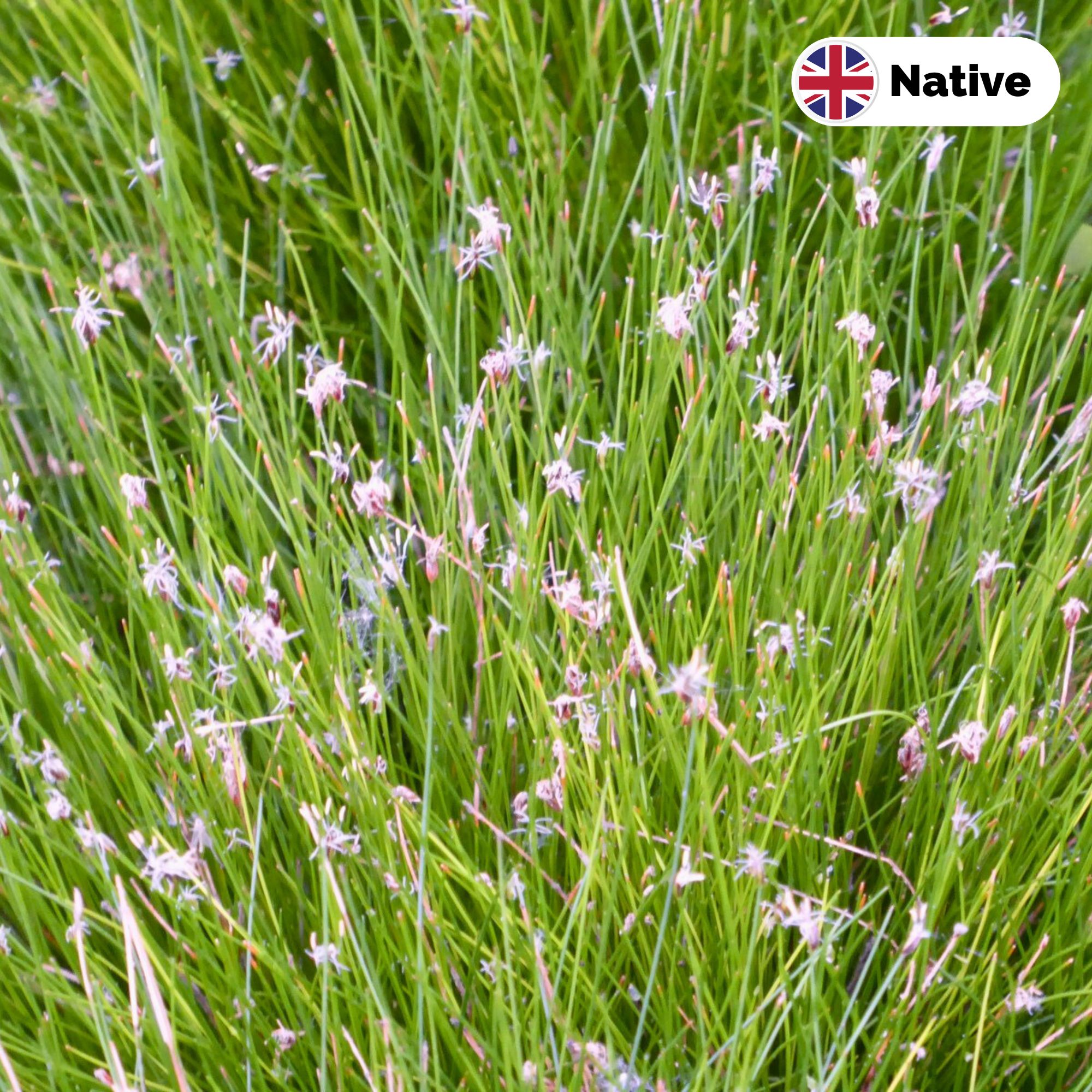
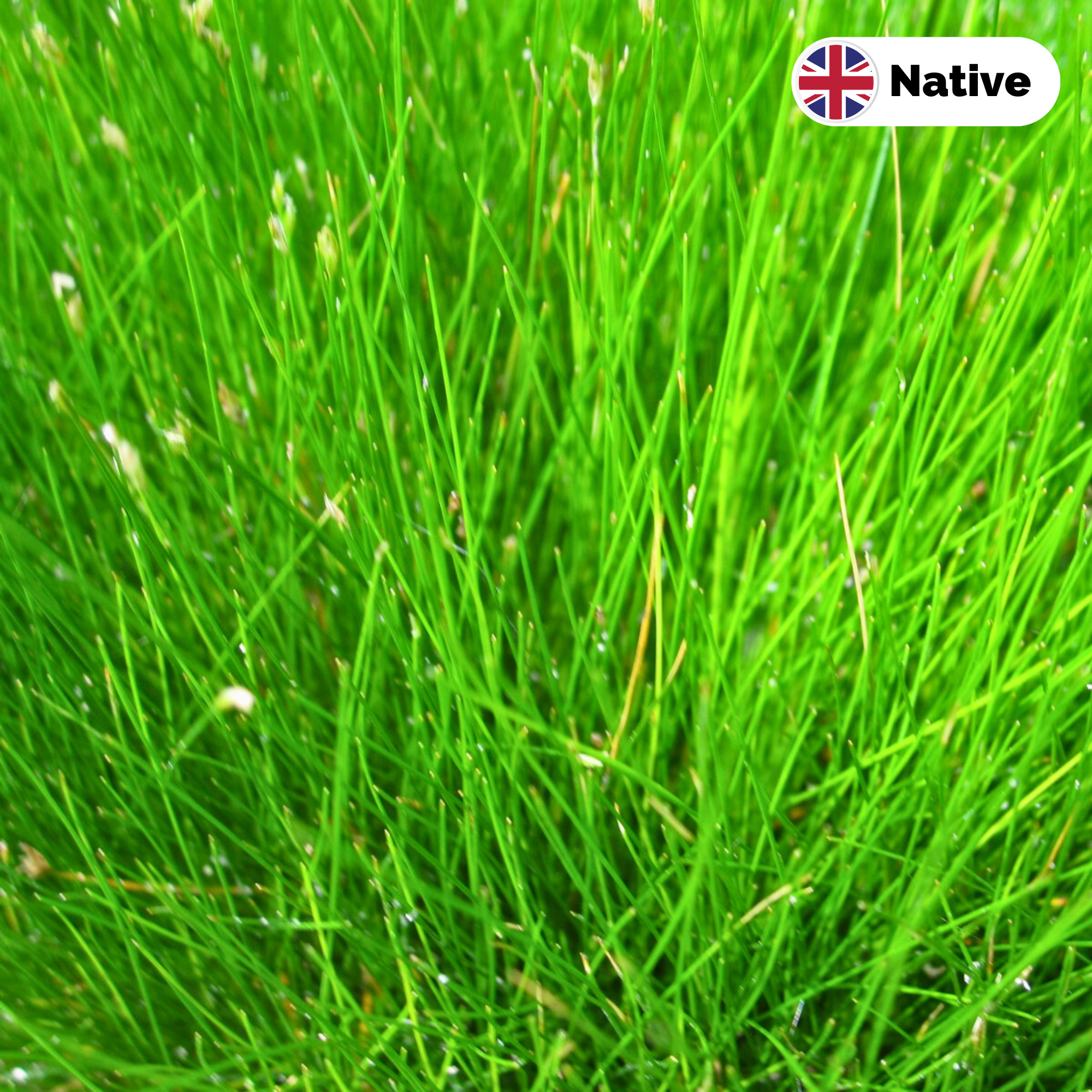
Needle Spike-Rush is a versatile, evergreen aquatic plant perfect for ponds and water features. With slender, grass-like stems and delicate feathery tops, it forms a lush, creeping carpet that provides shelter for wildlife like frogs and newts.
Thriving in up to 60cm of water, it adapts to marshes, pond edges, and damp meadows, tolerating a range of soils and light conditions. Its tiny brown spikelets add subtle charm in summer, while its mat-forming roots help stabilize shorelines and control erosion.
Ideal for natural swimming pools or wildlife ponds, Needle Spike-Rush is a hardy, low-maintenance plant that brings life and balance to any aquatic habitat.
This plant can also be grown in damp areas or bog gardens.
Needle Spike-Rush is more than just a plant—it’s a thriving hub of life for your pond or wetland area. With its slender, upright stems and delicate feathery tops, this versatile aquatic plant adds beauty and function to any water habitat.
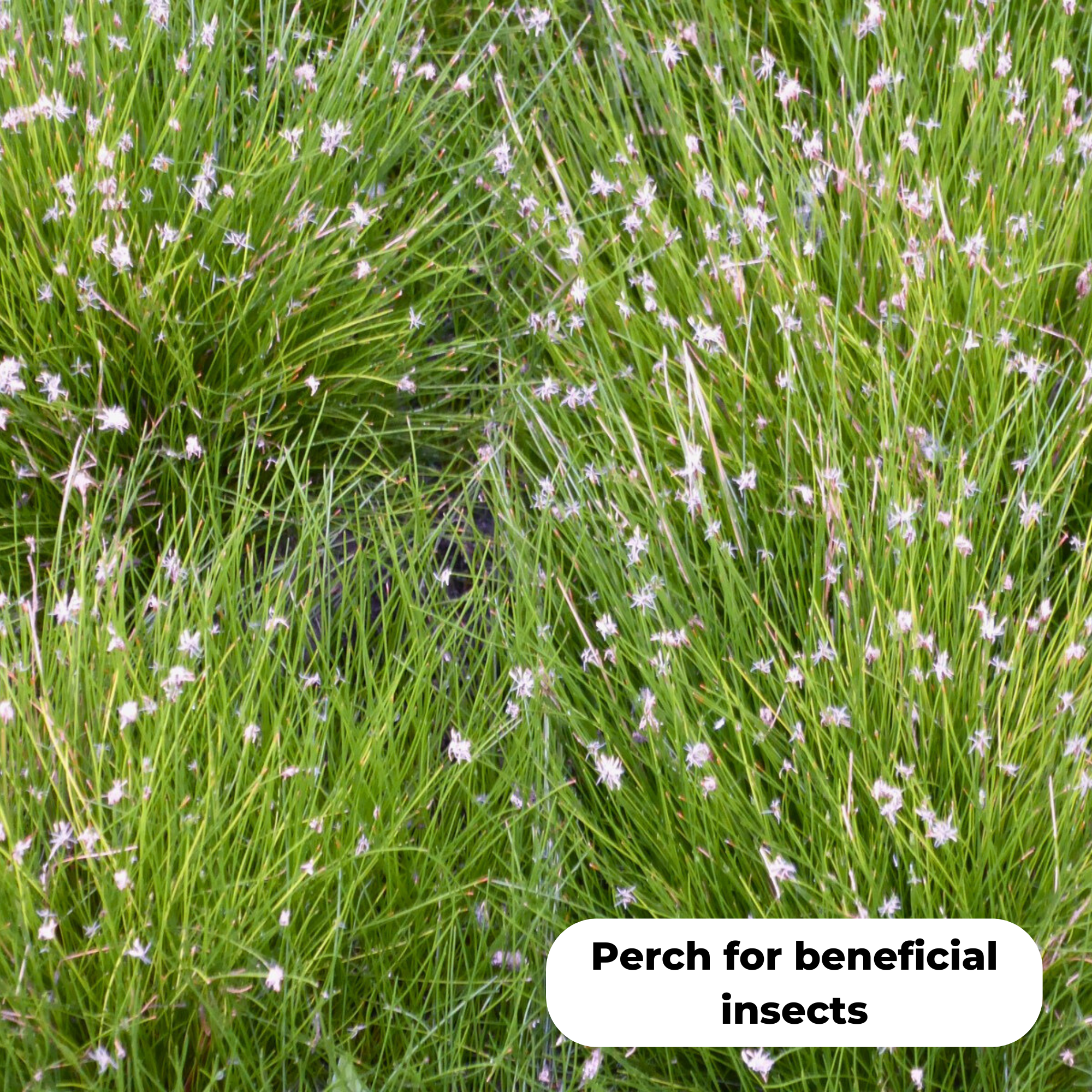
An evergreen, spreading perennial, Needle Spike-Rush grows as a marginal plant or submerged in up to 60cm of water. Its very narrow, grass-like leaves can reach up to 15cm tall when underwater, forming a lush, creeping carpet over time. In summer, tiny brown spikelets appear on unbranched stems, adding a subtle charm to its appearance, although only if above water where it can reach around 40cm in height.
This plant is a wildlife magnet, providing a safe haven for frogs and newts, the latter which love to lay their eggs among its dense foliage and submerged roots. Its mat-forming habit creates the perfect shelter for aquatic creatures, making it a must-have for any wildlife-friendly pond.
Needle Spike-Rush thrives in a variety of wetland habitats, including marshes, bogs, pond edges, lakes, streams, and damp meadows. It’s incredibly adaptable, tolerating a wide range of soil types – from clay to sand – and growing in various light conditions. Its resilience and ability to stabilise shorelines make it a popular choice for wetland restoration projects and erosion control.
Whether you’re creating a natural swimming pool, enhancing a pond, or restoring a wetland, Needle Spike-Rush is one of the most versatile water plants you can find.
Details
- Native: Yes
- Sun: Full Sun to Part-Shade
- Depth: 0 – 60cm
- Height max: 40cm
- Spread max: Around 20cm per plant, but will multiply by spreading
- RHS PFP: No
- RHG AGM: No
- Other: Evergreen
Care Instructions
You’ll be delighted to find that this plant requires minimal maintenance, allowing you to enjoy its beauty with ease. Just remove it from anywhere it has spread where you don’t want it.
Repotting Instructions
Does not require repotting in ponds; there is no need to remove the mesh basket. Place on the shelf of the pond at the required depth. If planting into garden soil, dig a hole the size of the root/soil ball.
| Weight | N/A |
|---|---|
| Size | 9cm x 3, 1 Litre, 1 Litre x 3, 2 Litre |
Related products