
March in the Wildlife Garden – A guide to helping wildlife
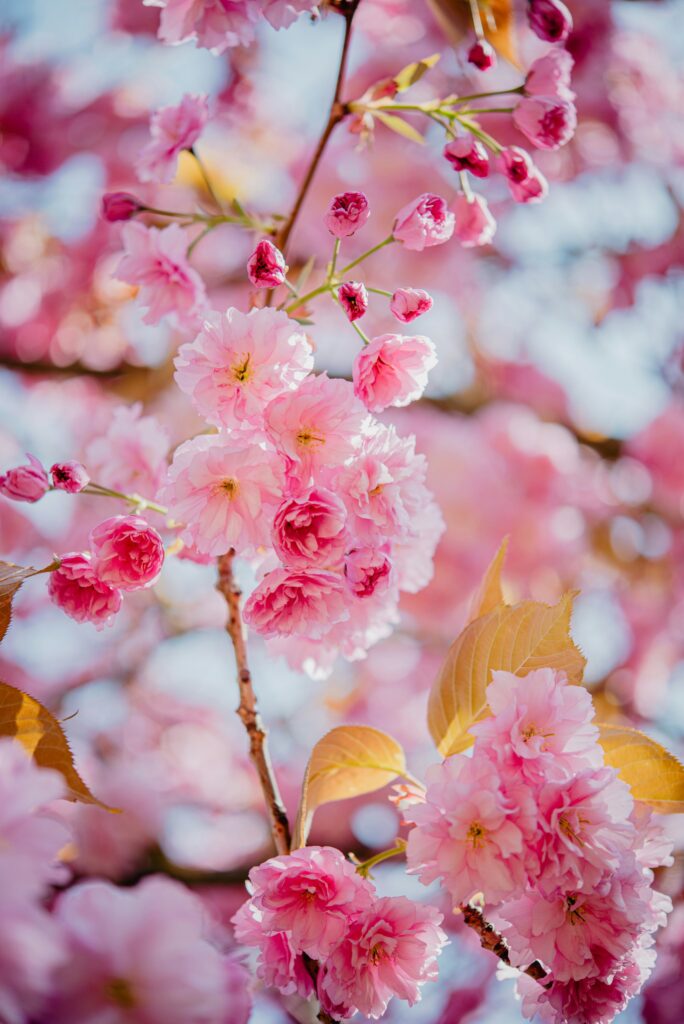
Spring is finally here! Yes, it might still feel a bit chilly, but if you look closely, you’ll see the signs of new life everywhere. Trees are budding, spring bulbs are popping up, and the birdsong is richer than ever. March in the Wildlife Garden is a magical time, and it’s the perfect moment to think about how we can support the wildlife that shares our outdoor spaces.
Why Your Garden Matters
Gardens aren’t just for us – they’re vital for wildlife too. Over the last 50 years, wildlife populations in the UK have declined by a staggering 41%. Butterflies, moths, and wildflowers are among the hardest hit, and 26% of UK mammal species are now at risk of extinction. But here’s the good news: our gardens can make a real difference.
Gardens are home to thousands of species – from plants and insects to birds, mammals, and amphibians. They’re some of the most diverse habitats in the UK, and they’re becoming increasingly important in the fight to save our wildlife. So, let’s roll up our sleeves and make our gardens a haven for nature this spring.
March in the Wildlife Garden
March in the Wildlife Garden is a busy month, and there’s plenty we can do to help. Here are some simple steps to get started:
1. Sow Cornfield Annuals
If you haven’t tried this yet, now’s the time! Simply prepare a patch of ground or a large pot, scatter some annual flower seeds on the surface, and let nature do the rest. A mix of poppies and cornflowers is a classic choice, but feel free to experiment with something more exotic. These flowers are not only beautiful but also a great source of nectar for pollinators.
2. Support Amphibians
March is breeding season for frogs and toads, and you might already spot their spawn in ponds. If you don’t have a pond, consider creating one – even a small one in a washing-up bowl or Belfast sink can make a big difference. Add plants like brooklime and water forget-me-not, which newts use to wrap their eggs, and submerged plants like hornwort to oxygenate the water.
Don’t forget to include an escape ramp so creatures can easily get in and out. If you have a dog, keep them away from ponds and streams during this crucial time.
3. Spot Early Butterflies
On mild days, keep an eye out for early-flying butterflies like brimstones, commas, and red admirals. They’ll be searching for nectar-rich plants, so make sure your garden has plenty to offer.
4. Leave the Pruning
Hold off on pruning hedges and shrubs – birds are already busy building nests, and you don’t want to disturb them. Dunnocks, house sparrows, and robins are all likely to be nesting in your garden, so it’s best to leave the clippers alone until September.
How to Help Pollinators
Pollinators like bees and butterflies are essential for a healthy garden, and they need our help, especially in early spring when food is scarce. Here’s what you can do:
Grow Spring Nectar Plants: Aubrieta, heathers, wallflowers, and grape hyacinths are all great options. Plant them in a sunny, sheltered spot where pollinators can easily land.
Leave the ‘Weeds’: Dandelions, daisies, and clover are a valuable source of early nectar. If you can’t bear to let them take over, consider deadheading before they seed or digging out just a few.
Create Nesting Sites: Some bees, like mining bees, nest in bare soil. Leave a small patch of ground undisturbed to give them a home.
Feeding the Birds
March can be a tough month for birds. With berries gone and fewer insects around, they need all the help they can get to prepare for breeding. Keep feeding them calorie-rich foods like sunflower hearts, fat balls, and suet nibbles. Avoid peanuts, as they can be a choking hazard for young birds.
You can also help birds build their nests by creating a nesting bundle. Gather materials like straw, moss, dry grass, feathers, and pet hair (avoid human hair, as it can tangle). Wrap them around a forked stick, tie with twine, and hang it in a tree. Watch as the birds pick their favourites!
Ditch the Chemicals
One of the best things you can do for wildlife is to stop using synthetic pesticides. These chemicals can harm beneficial insects and disrupt the delicate balance of your garden’s ecosystem. Instead, try natural pest control methods like companion planting or introducing natural predators.
Celebrate World Wildlife Day
Did you know that 3rd March is UN World Wildlife Day? It’s a great reminder of the importance of protecting our planet’s animals and plants. By making small changes in our gardens, we can all play a part in supporting wildlife.
Final Thoughts
Spring is a time of renewal, and there’s no better way to celebrate than by creating a garden that’s buzzing with life. Whether it’s sowing seeds, building a pond, or simply leaving the dandelions to bloom, every little action helps. So, grab your gardening gloves, head outside, and let’s make this spring a season of growth – for both our gardens and the wildlife that calls them home.
