
How to Create a Small or Mini Wildlife Pond – Guide
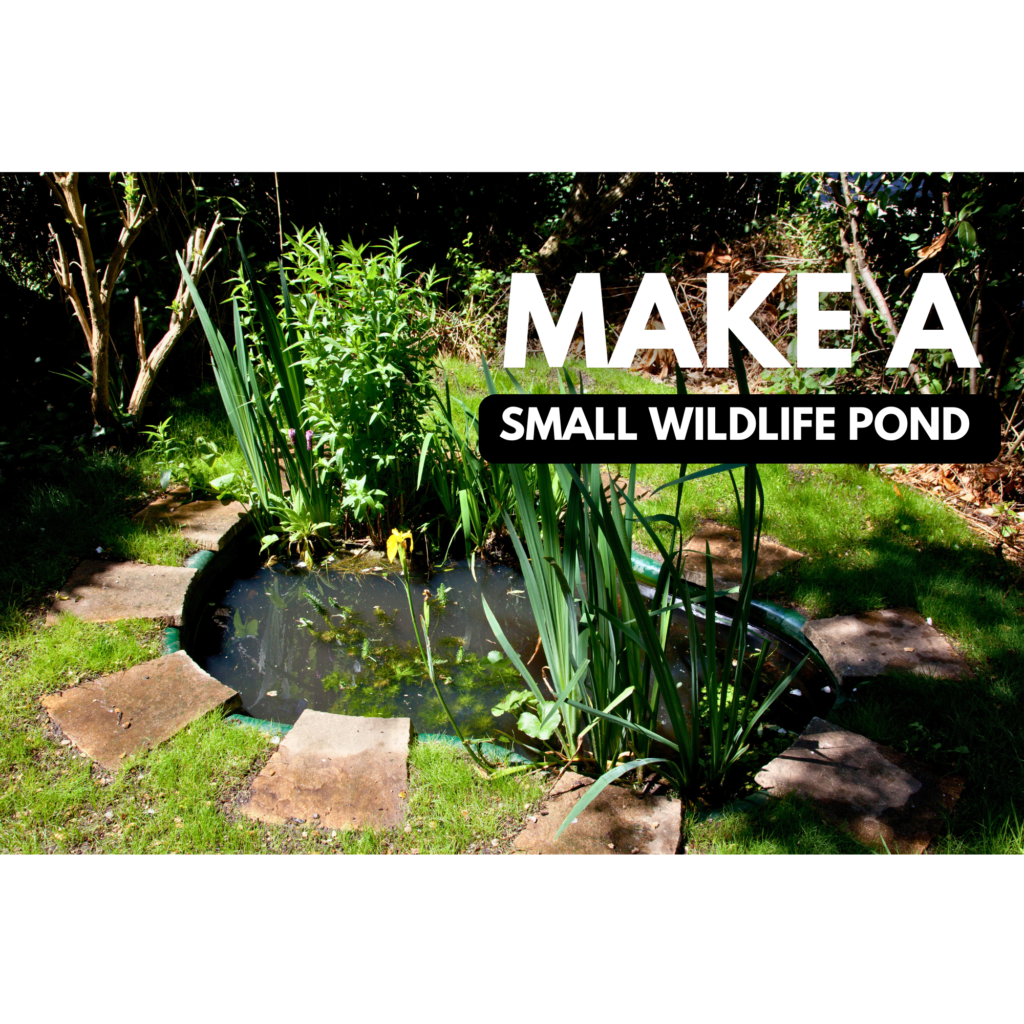
If you’re looking to bring more wildlife into your garden, a pond is one of the best ways to do it. Even a small or mini wildlife pond can make a huge difference, providing a habitat for aquatic creatures, a drinking spot for birds, and a breeding ground for insects like dragonflies. The good news? Creating a pond doesn’t have to be complicated or time-consuming. Whether you’ve got a large garden or just a tiny patio, you can easily build a wildlife pond in a container. Here’s everything you need to know to get started.
Why Build a Wildlife Pond?
A pond is a magnet for wildlife. Many creatures, like frogs and newts, will keep returning to the water, while others, such as dragonflies, start their lives there. Birds, hedgehogs, and even bees will also visit your pond to drink or bathe. By adding a pond to your garden, you’re creating a mini ecosystem that supports a wide range of species.
Getting Started: What You’ll Need
The beauty of a wildlife pond is that it doesn’t require pumps, filters, or complicated equipment. In fact, these can sometimes do more harm than good, especially for small creatures that might get sucked into filters. Instead, the key to a healthy pond is the right plants and water.
Choosing the Right Water
Rainwater is the best option for filling your pond. It’s free from the chemicals and nutrients found in tap water, which can encourage algae growth. If you don’t already have one, consider installing a water butt to collect rainwater.
If you do need to use tap water, let it sit outside for a day or two to allow the chlorine to evaporate. However, keep in mind that tap water still contains nutrients, so try to use it sparingly.
When to Build Your Pond
You can create a pond at any time of year, but each season has its pros and cons:
- Autumn and Winter: These seasons often bring plenty of rain, which can help fill your pond naturally. However, you might need to wait until spring to buy pond plants.
- Spring and Summer: Plants are easier to find during these months, but you may need to wait for rain to fill your pond.
No matter when you start, the process is straightforward, and you can always add more plants later.
Where to Position Your Pond
Location is key to a thriving wildlife pond. Here’s what to consider:
- Sunlight: Ponds need light to help plants photosynthesise, which adds oxygen to the water. This is essential for aquatic creatures that don’t come to the surface to breathe. While a bit of shade can help reduce evaporation in summer, aim for a spot that gets plenty of sunlight.
- Nearby Vegetation: Add patches of long grass, logs, or stones near your pond to create habitats for amphibians and hunting grounds for dragonflies. Just make sure these don’t cast too much shade over the water.
Choosing the Right Plants
Plants are the heart of a wildlife pond. They oxygenate the water, provide cover for creatures, and create a balanced ecosystem. Here’s a breakdown of the types of plants you’ll need:
- Submerged Oxygenators: These plants grow underwater and are essential for adding oxygen to the water. Examples include hornwort, willow moss, and water starwort.
- Emergent Plants: These help insects like dragonflies transition from water to land. Try water mint or water forget-me-not.
- Marginal Plants: Plant these around the edges of your pond to provide cover for amphibians and birds. Creeping Jenny and water avens are great choices.
- Floating Plants: These attract insects that lay eggs in the water. Frogbit is a native UK option that works well.
Stick to native plants wherever possible, as non-native species can become invasive if they escape into the wild. The more variety you add, the more wildlife your pond will attract. Different plants can appeal to different species, for example Dragonfly love Rough Horsetail.
Low Maintenance, High Reward
One of the best things about a wildlife pond is how little upkeep it requires. Once established, it will largely look after itself. Just top it up with rainwater when needed, and remove any excess algae or debris.
Final Thoughts
Creating a wildlife pond is a simple yet impactful way to support local biodiversity. Whether you’ve got a sprawling garden or just a small corner to spare, even a tiny pond can make a big difference. So why not give it a go? You’ll be amazed at how quickly wildlife moves in – and how much joy it brings to your outdoor space.
Happy pond-building!
